Concrete Repair: A Practical Guide for December
C oncrete repair is essential for maintaining the safety and appearance of your property. Whether you're dealing with cracks, uneven surfaces, or surface wear, timely repair can prevent more extensive damage down the line. Understanding the types of concrete repair available can help you make informed decisions.
In this guide, you will learn about the different concrete repair methods, signs that you need repair, and how to choose the right provider for your needs. This information is critical for ensuring your concrete surfaces remain safe and functional.
What Are Common Signs You Need Concrete Repair?
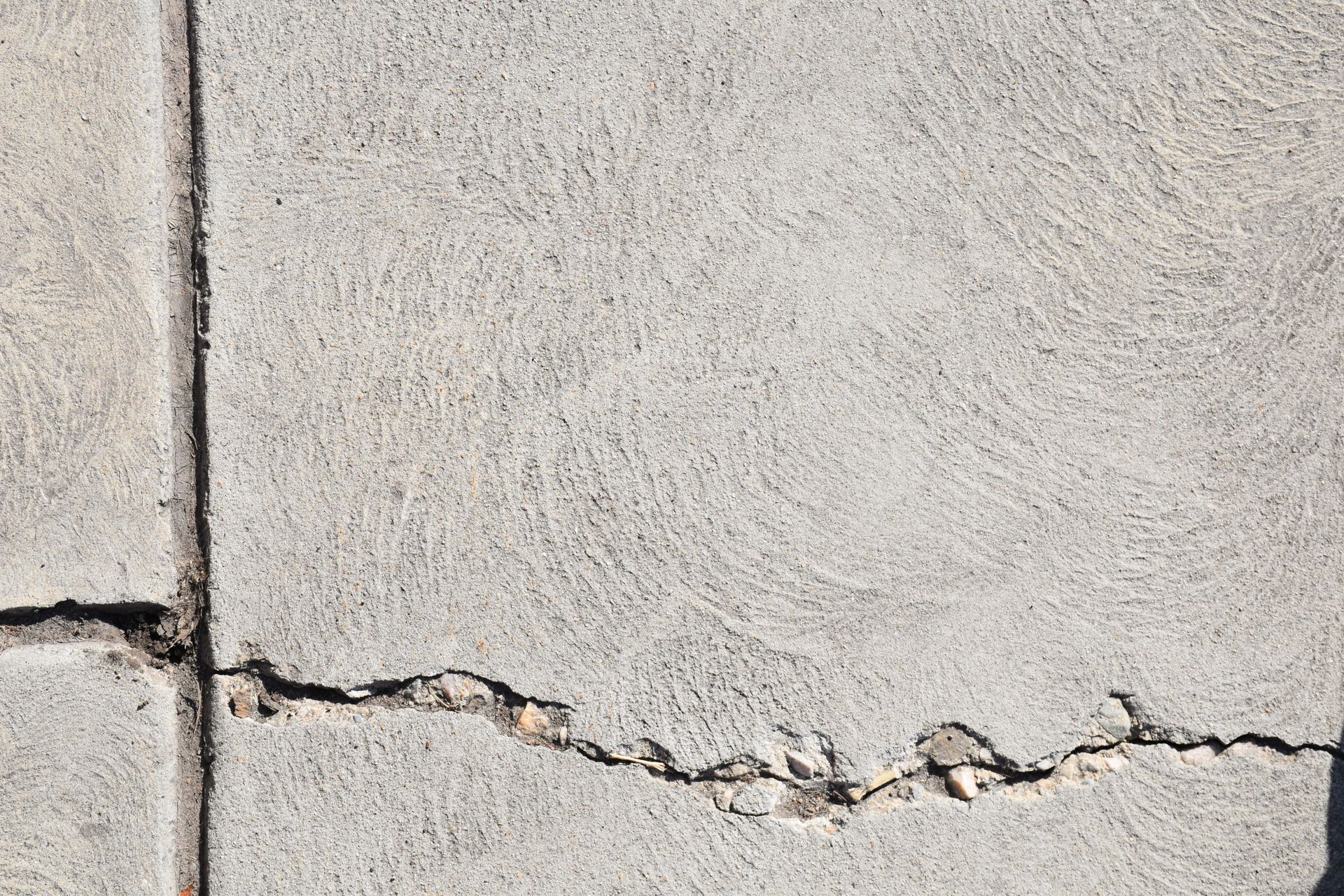
Identifying the signs that your concrete needs repair is the first step in maintaining its integrity. Look for cracks, discoloration, and uneven surfaces. These issues not only affect the aesthetics of your property but can also lead to more significant problems if left unaddressed.
Cracks can vary in size and depth, indicating different levels of damage. Surface stains can suggest issues with moisture or improper sealing. If you notice any of these signs, it's time to consider a professional assessment.
- 01 Visible cracks in the concrete surface
- 02 Uneven or sinking areas
- 03 Water pooling on the surface
- 04 Discoloration or stains
- 05 Chipping or flaking of the concrete
In addition to visible cracks and discoloration, check for signs of moisture damage. If you see efflorescence, a white powdery substance on the surface, this indicates water is seeping through the concrete. This can weaken the structure over time. Also, feel for soft spots; if an area feels spongy underfoot, it may be compromised. Regularly inspect your concrete after heavy rain or thaw cycles, as these conditions can exacerbate existing issues. Addressing these signs early can save you from more extensive repairs later.
- 01 Efflorescence (white powder on surface)
- 02 Soft or spongy areas underfoot
- 03 Water pooling in cracks or low spots
- 04 Chipping or flaking around edges
- 05 Visible signs of moisture or mold
What Causes Concrete Damage?
Concrete damage can stem from various factors, including weather conditions, poor installation, and heavy loads. Understanding these causes can help you prevent future issues.
For instance, freeze-thaw cycles can cause expansion and contraction, leading to cracks. Similarly, heavy machinery or vehicles can stress concrete, especially if it was not poured or reinforced correctly.
- 01 Freeze-thaw cycles
- 02 Poor drainage or water pooling
- 03 Chemical exposure (like de-icing agents)
- 04 Heavy loads from vehicles or equipment
- 05 Improper installation techniques
Another common cause of concrete damage is poor drainage. When water accumulates around concrete surfaces, it can lead to erosion and cracking. To check for drainage issues, observe if water pools near your concrete areas after rainfall. If so, consider installing drainage solutions like trenches or French drains to redirect water away. Additionally, chemical exposure from de-icing agents in winter can weaken concrete over time. Regularly inspect your concrete for signs of spalling or flaking, which may indicate that it has been compromised by such agents.
- 01 Check for water pooling around concrete surfaces
- 02 Inspect for cracks and spalling
- 03 Look for signs of erosion at the edges
- 04 Monitor heavy vehicle usage on concrete areas
- 05 Evaluate drainage systems regularly
Lastly, improper installation techniques can also lead to significant damage. If the concrete was not mixed or cured correctly, it might not have the strength to withstand loads or environmental conditions. Always ensure that your contractor follows industry standards for mixing, pouring, and curing to minimize future issues.
How Does the Concrete Repair Process Work?
The concrete repair process typically begins with an assessment of the damage. A professional will evaluate the extent of the cracks or damage to determine the best repair method.
Common methods include crack sealing, resurfacing, and complete replacement of damaged sections. Each method has specific steps and materials involved to ensure a durable repair.
- 01 Assessment of the damage
- 02 Choosing the repair method (e.g., sealing, resurfacing)
- 03 Preparing the area (cleaning and possibly undercutting cracks)
- 04 Applying the repair materials (epoxy, sealants, etc.)
- 05 Curing and finishing the surface
After assessing the damage, the repair process may also involve reinforcing the concrete, especially for larger cracks or structural issues. This can include injecting epoxy into the cracks to bond the concrete or using steel rods for support. For instance, if a driveway has a significant crack that affects its integrity, a technician might choose to use a combination of epoxy injection and resurfacing to ensure a long-lasting fix. Always check that the repair method aligns with the specific conditions of your concrete to avoid future issues.
- 01 Assess the extent of the damage
- 02 Determine if reinforcement is necessary
- 03 Choose appropriate repair materials
- 04 Ensure proper curing time is followed
- 05 Inspect the finished surface for smoothness
Finally, it’s important to monitor the repaired area over time. Look for any signs of new cracks or deterioration, which can indicate that the repair wasn't sufficient for the underlying issues.
What Factors Affect the Cost of Concrete Repair?
Several factors can influence the cost of concrete repair, including the extent of the damage, the repair method chosen, and the size of the area needing repair. It's essential to get multiple quotes and understand what is included in each estimate.
Keep in mind that choosing the cheapest option may not always be the best. Quality materials and skilled labor can save you money in the long run by preventing future repairs.
- 01 Extent of the damage
- 02 Type of repair method
- 03 Size of the area
- 04 Location and accessibility
- 05 Material costs
Another factor to consider is the accessibility of the site. If the area needing repair is difficult to reach, it may increase labor costs. For instance, if your driveway is bordered by landscaping or if there are overhead power lines, the repair crew may need to take extra precautions, which can add to the overall expense. Additionally, some repair methods, like epoxy injections for cracks, may require specialized equipment or techniques, impacting costs. Always ask for a detailed breakdown of how accessibility and method may influence the final price.
Checklist for Assessing Cost Factors: - Assess the extent of visible damage. - Identify the repair method recommended. - Evaluate site accessibility and any potential obstacles. - Check local material costs for concrete and other supplies. - Request detailed estimates from multiple providers.
How to Choose a Concrete Repair Provider?
Selecting the right concrete repair provider is crucial for a successful repair. Start by looking for local companies with good reviews and a solid reputation.
Ask potential providers about their experience, certifications, and the methods they use. A reliable provider should also be transparent about pricing and provide a detailed estimate.
- 01 Check for licenses and insurance
- 02 Read customer reviews
- 03 Ask about their experience with similar repairs
- 04 Request detailed estimates
- 05 Inquire about warranties on their work
Consider asking potential providers about their repair techniques and materials. For instance, some may use epoxy injections for cracks, which can be effective but may not be suitable for all situations. If your concrete has extensive damage, a provider might recommend a full resurfacing instead. Additionally, ask for a timeline. A good provider will give you a clear estimate of how long the repairs will take and what you can expect during the process. This helps you plan accordingly and understand any potential disruptions.
- 01 Inquire about repair techniques used
- 02 Ask for a timeline of the project
- 03 Request examples of past projects
- 04 Understand the materials they plan to use
- 05 Check if they offer follow-up services
Key Questions to Ask Your Contractor
Frequently Asked Questions
What types of concrete repair services are available?
There are various services, including crack sealing, resurfacing, staining, and stamped concrete installation. Each service addresses specific issues and enhances the appearance and longevity of your concrete.
How long does concrete repair take?
The duration of concrete repair depends on the extent of the damage and the methods used. Minor repairs may take a few hours, while larger projects could take several days.
Can I perform concrete repairs myself?
While some minor repairs can be done by homeowners, it's often best to hire a professional. They have the experience and tools necessary to ensure a lasting repair.
What should I look for in a concrete repair contract?
Ensure the contract outlines the scope of work, materials to be used, timelines, and payment terms. This clarity helps prevent misunderstandings and ensures accountability.
How can I maintain my repaired concrete?
Regular maintenance, such as cleaning and sealing, can extend the life of your repaired concrete. Avoid using harsh chemicals and follow the maintenance guidelines provided by your contractor.
Contact Cazares Concrete LLC for Your Repair Needs
Concrete repair is essential for maintaining the safety and aesthetic of your property. If you notice any signs of damage or need professional guidance, contact Cazares Concrete LLC. Our team is here to help you with all your concrete repair needs.
Concrete repair is crucial for ensuring the safety and appearance of your property. If you've noticed any signs of damage, it's wise to seek professional help. Cazares Concrete LLC has the expertise to handle all your concrete repair needs. Don’t hesitate to reach out to our team for assistance tailored to your specific situation.